Searching for a vehicle wrap near me is about more than finding someone who can apply vinyl. You’re choosing a partner to help your vehicle, or entire fleet, look professional, represent your brand, and keep working while the project gets done.
If you’re comparing vehicle wraps in Long Beach or across Southern California, these 10 checks can help you ask the right questions and compare providers with confidence.
1. Look for work like yours
Good work shows in the details. A striking photo is a start, but look for examples that match your vehicle type, use, and goals. A wrap for a delivery van has different challenges from one for a pickup, service truck, or mixed fleet.
Ask to see completed projects from several angles, especially close-ups of door edges, handles, bumpers, seams, and curves. Clean finishes and consistent branding across vehicles matter more than a single dramatic portfolio shot.
You can explore Safeway Printing’s vehicle wrap work to see examples of graphics created for real vehicles and organizations in the Long Beach area.
2. Ask who handles the design
A strong wrap starts before printing. The design needs to fit the shape of your vehicle, keep important information readable, and work with your existing brand. A layout that looks good on a screen may need changes to suit doors, windows, curves, and body panels.
Ask whether the shop can help with design and file preparation in-house. Share your logo, brand colors, contact details, and the main message you want drivers to notice. For fleet graphics, also ask how the shop will keep the look consistent across different vehicle models.
At Safeway, design, file preparation, printing, and installation are handled together. That makes it easier to coordinate the project from the first concept through the finished wrap.

3. Find out exactly what material is being used
“Premium vinyl” should come with specifics. Ask for the film manufacturer and product line, and confirm that the material is made for vehicle wrapping and suited to your vehicle and intended use. If you have a preferred finish (such as gloss, matte, or satin) make sure the quote names it.
Ask how the shop explains expected performance and care for that particular film. Sun exposure, where the vehicle is parked, how it’s washed, and the film’s placement on the vehicle can all affect how it looks over time. A manufacturer’s maximum service-life estimate is not a guarantee of how long every wrap will look new.
For example, ORAFOL’s vehicle-wrap handling guidance notes that care, installation conditions, and exposure can affect film performance.
4. Check installer experience and written warranty details
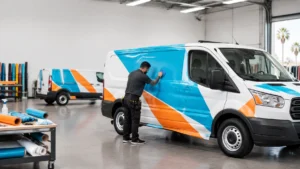
The installer matters as much as the material. Vehicle panels have curves, recesses, edges, and seams that take experience to wrap neatly. Ask who will install your graphics and how long they’ve worked on vehicles similar to yours.
Before you book, request the warranty terms in writing. Ask what coverage applies to the film and what applies to installation, how long each lasts, and how to report a problem. Find out about exclusions, too, such as damage from road debris, improper cleaning, or existing paint issues. Coverage varies by product and installer, so don’t rely on a verbal promise.
5. Expect to review and approve a proof
See the design before it becomes a wrap. A proof gives you a chance to check the spelling, phone number, logo, colors, and overall layout before production. For a full wrap or fleet project, ask to review the design on a vehicle template that resembles your make and model.
Confirm what changes are included in the design process and whether you’ll receive a final approval before printing. If several people need to sign off, agree on one point of contact and gather feedback before the production deadline.
6. Plan timing around your workday, or fleet schedule
The right schedule keeps your operation moving. Ask how long your vehicle will be out of service, what drop-off and pickup times are available, and whether the shop needs your vehicle clean and empty. Installation time depends on the vehicle, wrap coverage, design, preparation, and other project details; get an estimate based on your specific job.
For fleet graphics, ask whether vehicles can be scheduled in stages. A clear sequence can help you keep essential vehicles on the road while maintaining a consistent look across the fleet. Share any deadlines, operating hours, or access requirements early.

7. Discuss paint condition and preparation
A wrap depends on the surface underneath. Vinyl can follow the contours and imperfections of the vehicle, so it won’t make chips, dents, or peeling clear coat disappear. Existing damage, repaired panels, or fresh paint may affect installation and removal.
Ask the shop to inspect the vehicle before confirming the job. Find out what cleaning and preparation are included, and whether any repairs or extra steps are your responsibility. It’s also wise to document existing marks before you hand over the keys. A good provider will discuss concerns upfront rather than promise that every surface is ready.
8. Compare quotes line by line
Compare the same job, not just the bottom number. A lower quote may cover less of the vehicle or include a different film, design scope, or level of preparation. Ask each provider to list what is included so you can make a fair comparison.
Check that the quote clearly describes:
- Coverage: Full wrap, partial wrap, lettering, or specific panels
- Material: Film brand, product line, and finish
- Design: New design, file setup, revisions, and proofing
- Preparation: Cleaning and any work that is excluded or charged separately
- Schedule: Estimated downtime and planned installation dates
- Warranty: Written material and installation coverage
If you’re weighing the overall budget, Safeway’s guide to car wrap cost explains common factors that affect pricing.
9. Get simple care instructions before pickup
Protect your investment with the right routine. Ask when you can wash the vehicle after installation and what products or methods are appropriate for your chosen film. In general, follow the installer’s directions, clean spills and debris promptly, and avoid harsh chemicals or abrasive tools unless the film manufacturer approves them.
Pressure washing can be especially hard on film edges and seams if done too closely. The safest approach is to ask for instructions tailored to your wrap and finish, and to follow them consistently.
10. Choose a local partner you can reach
A nearby shop makes follow-up easier. Local support matters if you have questions, need a repair, or are planning a second vehicle. Ask who you’ll contact after installation and how the shop handles touch-ups or warranty questions.
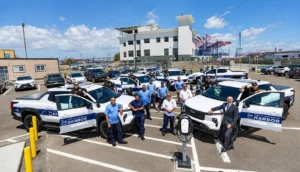
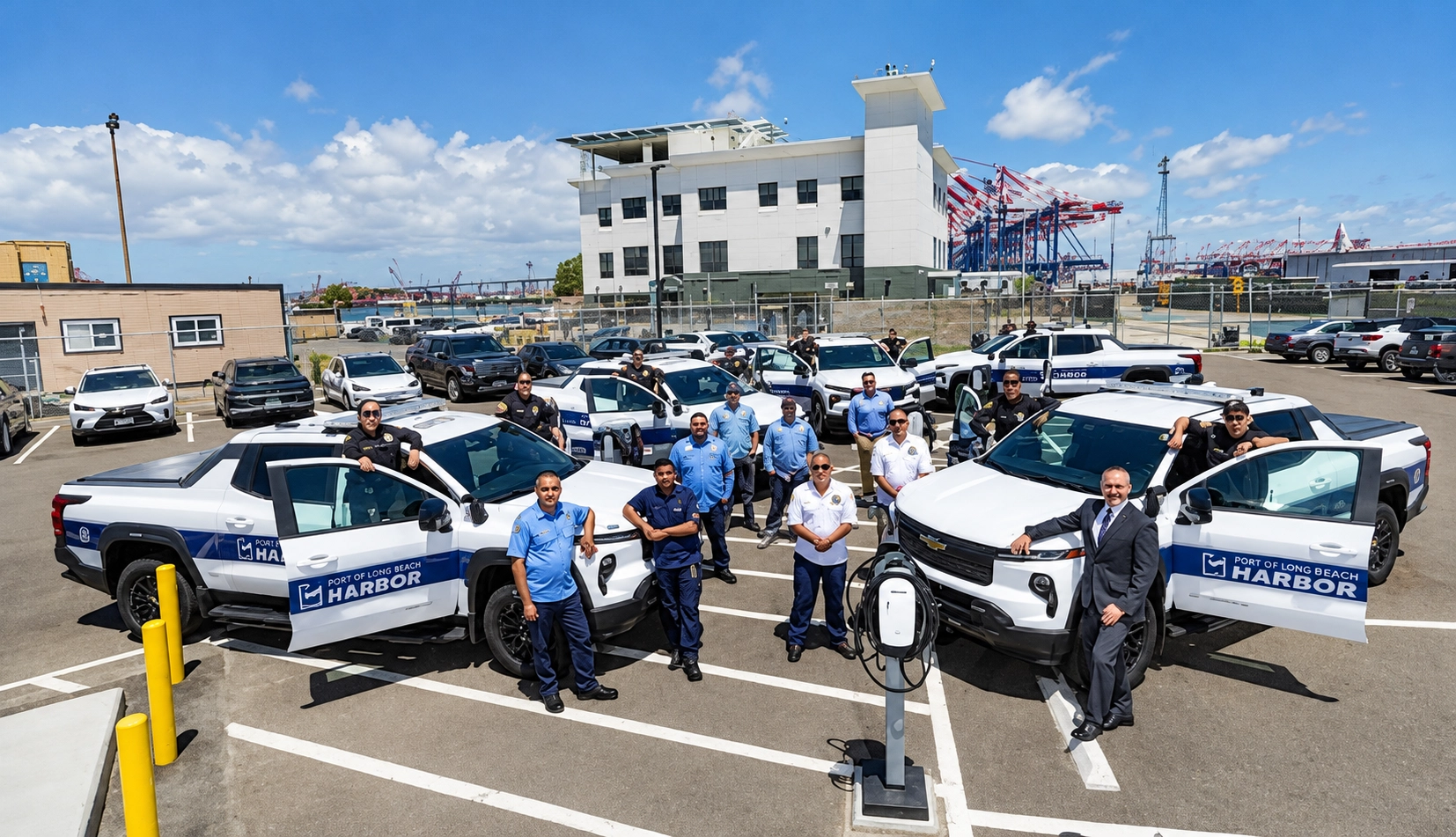
Safeway Printing & Graphics has served Long Beach since 1974. As a family-owned, full-service provider, we bring design, printing, and installation together under one roof, with the capacity to support both individual vehicles and larger projects. In fact, the Port of Long Beach trusts us to wrap its fleets, and our work for organizations like Long Beach Transit reflects that same scale and reliability.

Ready to find the right vehicle wrap shop?
When you search for a vehicle wrap near me, look for clear answers, relevant examples, a thoughtful design process, and a quote that spells out the work. The right provider should help you understand your options and make the next step straightforward, whether you’re wrapping one vehicle or planning fleet graphics across Southern California.
Safeway Printing can help you plan from design through installation. Request a vehicle wrap quote, or learn more about our vehicle wrap services.